Have you ever wondered how a simple slip of the hand can lead to a courtroom? In the world of traffic law, the phrase negligence is the linchpin that connects a moment on the road to the legal outcome that follows. This article will demystify the phrase “¿Qué es la prueba de negligencia en accidentes de tráfico?” by exploring the basics, the mechanics of the test, and the real‑world implications for drivers and victims alike.
The Basics of Negligence
Negligence is the failure to exercise the care that a reasonably prudent person would in a similar situation. Think of it as a safety net that’s supposed to catch you when you’re driving; if that net snaps, you might find yourself in a lawsuit. In traffic incidents, proving negligence is the first hurdle before a court will award damages.
Key Elements of Negligence
- Duty of Care: Every driver owes a duty to others on the road. Breach: The driver fails to meet that duty (e.g., speeding, distracted driving). Causation: The breach directly causes the injury or damage. Damages: The plaintiff suffers actual losses (medical bills, lost wages).
The burden of proof lies with the plaintiff. They must show that the defendant’s breach of duty caused the harm. In other words, the plaintiff must convince the judge or jury that the defendant was negligent.
How the Test Works
The “prueba de negligencia” is essentially a logical framework. Imagine you’re assembling a puzzle: each piece must fit perfectly for the picture to make sense. The same goes for proving negligence.
Step‑by‑Step Process
Establish the Duty
• Identify the legal duty that the defendant owed.
• Example: A driver has a duty not to drive under the influence.
Show Breach of Duty
• Provide evidence that the duty was violated.
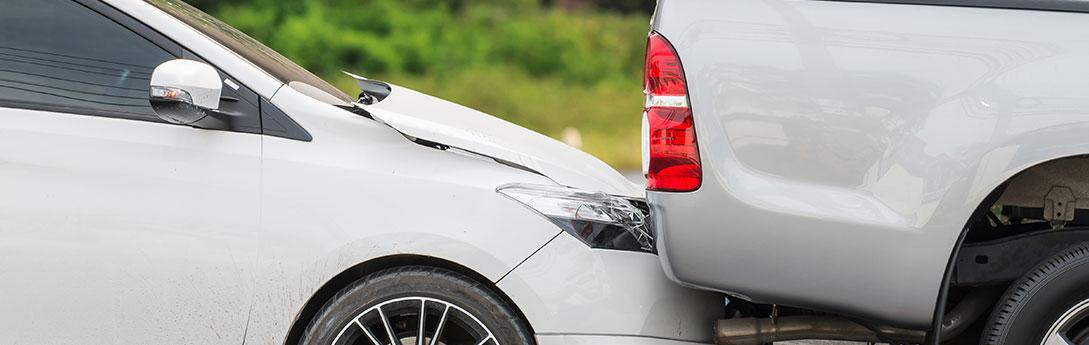
• Common evidence: traffic camera footage, witness statements.
Link Breach to Harm
• Use expert testimony or accident reconstruction to connect the breach to the injury.
• This is where causation becomes tangible.
Demonstrate Damages
• Medical records, repair invoices, and employment records are typical.
Apply the “Reasonable Person” Standard
• The court asks: Would a reasonable person have acted differently?
If any step fails, the entire case can crumble like a house of cards.
Key Elements of the Test
While the steps above outline the process, there are specific legal doctrines that can influence the outcome.
- Comparative Fault: Some states allow the plaintiff’s own negligence to reduce damages. Contributory Negligence: In a few jurisdictions, if the plaintiff contributed, they may be barred from recovery. Statute of Limitations: Time limits exist; missing the deadline means the case is dismissed.
Common Misconceptions
- “If I’m not at fault, I’m out of the picture.” Not always. Even if you weren’t at fault, you might still be liable if you contributed to the accident. “I can just file a claim and win.” The burden of proof is heavy. Without solid evidence, a claim can falter.
Real‑World Example
Picture Maria, a delivery driver in downtown Chicago. On a rainy evening, she swerved Responsabilidad del transportista to avoid a pedestrian, causing Helpful site her to collide with a parked SUV. The SUV’s owner, Mr. Thompson, sues for damages.
- Duty: Maria owed a duty to maintain control of her vehicle. Breach: She failed to keep a safe distance in slick conditions. Causation: The collision was directly caused by her loss of control. Damages: Mr. Thompson suffered medical expenses and lost wages.
In court, Maria’s insurance company presents a dash‑cam video showing the wet road and her sudden maneuver. The judge finds Maria negligent and awards Mr. Thompson $15,000.
This anecdote illustrates how the test operates in a real, everyday scenario—highlighting that traffic negligence isn’t just a legal term; it’s a lived experience.
When to Seek Legal Help
Even if you believe you’re not at fault, a legal professional can guide you through the maze of evidence, statutes, and procedural requirements.
- Complex Evidence: Accident reconstruction, expert witnesses. Large Damages: Medical costs, lost income. Insurance Disputes: When insurers deny or downplay liability.
A lawyer’s expertise can help you gather the right documents, negotiate settlements, and, if necessary, fight for a fair verdict.
Making the Verdict Count
In the grand tapestry of traffic law, the “prueba de negligencia en accidentes de tráfico” is the thread that holds everything together. Understanding its components—duty, breach, causation, and damages—empowers you to navigate the legal landscape with confidence. Whether you’re a driver, a victim, or simply curious, grasping this test can help you make informed decisions, protect your rights, and, if you’re unlucky, avoid the courtroom drama that follows a fender‑bender.
“The law is not a suggestion; it’s a guide to fairness.” – Anonymous
Remember, the road is full of uncertainties, but with knowledge and preparation, you can steer toward a safer, more just outcome. If you ever find yourself tangled in a traffic dispute, consider reaching out to a qualified attorney—your future self will thank you for it.
